


FAO, REDD+, and PLACA: Indigenous Communities and Governments Discuss Forest Governance in Latin America Ahead of COP31
- News
-
Sep 28
- Share post
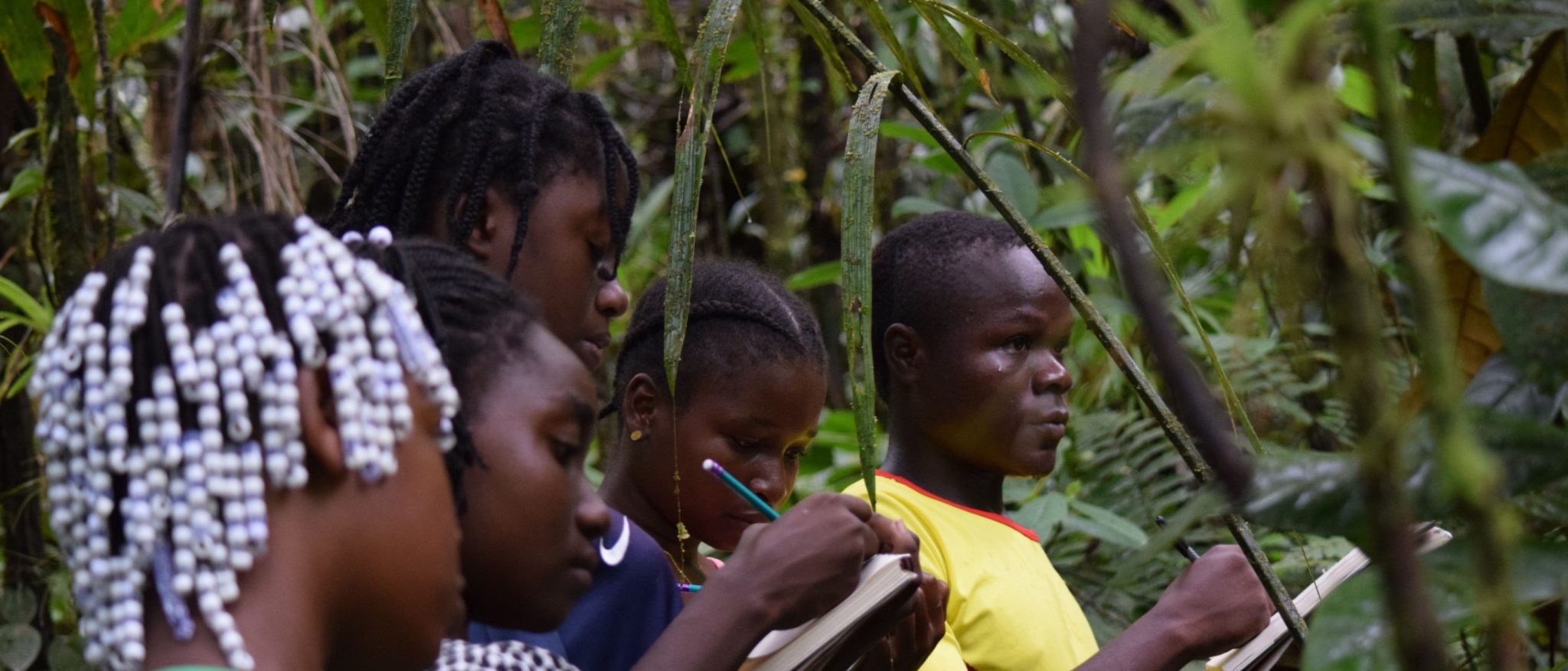
Indigenous, community, and government representatives from Ecuador, Peru, and Colombia concluded the regional series of webinars on governance, deforestation, and climate change, less than two months before the start of COP31.
September 28, 2026.— Forests in Latin America and the Caribbean cover more than 880 million hectares, equivalent to 21% of the world’s forest cover and 47% of the region’s land area, according to data from the Food and Agriculture Organization of the United Nations (FAO).
Its strategic importance on a global scale was highlighted at the conclusion of the webinar series on governance for Reducing Emissions from Deforestation and Forest Degradation (REDD+), organized by the FAO, together with the Platform of Latin America and the Caribbean for Climate Action on Agriculture (PLACA), and the UN-REDD Program, just a few weeks before the start of the 31st session of the United Nations Framework Convention on Climate Change (UNFCCC) on November 9 in Antalya, Turkey.
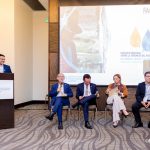
The third and final meeting of the year, “From Consultation to Shared Responsibility: Voices and Rights in Participatory REDD+ Governance,” brought together representatives of indigenous peoples, rural communities, territorial organizations, and public institutions from Ecuador, Peru, and Colombia, who shared concrete experiences regarding effective participation in design, implementation, and accountability.
Evidence gathered by FAO underscores the urgency of the issue: approximately 35% of the forests in Latin America and the Caribbean are located in areas inhabited by indigenous peoples and local communities, and in territories where their collective land rights are recognized, deforestation declines significantly.
That finding, which directly links territorial rights to measurable conservation outcomes, was the central theme running through the three sessions of the series and the main argument that countries in the region are bringing to the international climate negotiations.
“These figures highlight the importance of recognizing territorial rights and strengthening the effective participation of those who live in and care for forests. In REDD+, environmental and social integrity depends both on verifiable climate outcomes and on decisions that respect those rights, incorporate territorial priorities, and distribute benefits transparently,” said Adriana Lagos, an expert on policy and inclusion with the UN-REDD Program’s regional technical assistance team at FAO.
Webinar series
Launched in June, the series addressed the main regulatory and institutional challenges to strengthening the integrity of REDD+ and facilitating access to forest climate finance.
The first webinar, featuring Chile, Colombia, and Costa Rica, examined ownership of rights to emission reductions and the distribution of benefits. The second webinar delved into Article 6 of the Paris Agreement and mechanisms for transferring mitigation outcomes, drawing on experiences from Singapore, Guyana, and Honduras.
The Latin American and Caribbean Forestry Commission (LACFC), a statutory body of the FAO established in 1948, is the region’s leading technical and policy forum on forestry matters. Meeting every two years, it defines the FAO’s lines of work on forests and submits its recommendations to the FAO Regional Conference and the World Committee on Forestry (COFO). Strengthening participatory governance of REDD+, as discussed in this series of webinars, is directly in line with that agenda.
Ahead of COP31, these regional consultation forums take on strategic importance: the integrity of forest carbon markets depends on participatory governance, Free, Prior, and Informed Consent, and access to information and community-based monitoring being translated into verifiable institutional frameworks before countries negotiate binding commitments.
“This series of webinars builds on the work that FAO, through PLACA and in collaboration with UN-REDD, has been promoting since 2024 to strengthen regional dialogue on forest governance, climate finance, and carbon markets. Throughout this year’s three sessions, more than 800 participants from Latin America and the Caribbean learned about experiences, challenges, and lessons learned regarding emission reduction credits, benefit sharing, mechanisms linked to Article 6 of the Paris Agreement, and participatory REDD+ governance,” said Melvin Medina, FAO Senior Officer for Land and Water and Coordinator of the Better Environment Program for Latin America and the Caribbean.
The FAO, through PLACA and the UN-REDD Program, reaffirms its commitment to supporting countries in Latin America and the Caribbean in building climate and forest governance with greater legitimacy, equity, and integrity, placing people and territories at the center of global climate decisions.
Related news
- X
- Viber
- Telegram
- Tumblr
- VKontakte
- Copy link
- Share via...
- Threads
- Bluesky
📬
Subscribe to the Newsletter
Subscribe to PLACA's biannual newsletter and receive information on:
✓ Events and activities
✓ Training opportunities
✓ Documents and information resources generated
✓ News related to climate action
No spam · Cancel anytime